
 Shopify App Store

Introduction
You're leaving money on the table every day: A customer lands on your product page, scrolls through a few images, reads the description, and then... leaves. Across hundreds of fashion brands we've checked, static PDP - product detail pages logic alone can suppress AOV by 15-25%.
Most brands think their conversion problem comes from ads or pricing—but it's actually their static product pages killing Average Order Value.
The direct-to-consumer (DTC) and fast fashion markets are growing fast:
-
The global fashion e-commerce market is projected to reach or exceed $1 trillion in 2025
-
Forecasts show the DTC market increasing from $225.5 billion in 2024 to $880 billion by 2034
-
The fast fashion market is set to rise from $114.17 billion in 2024 to $309.8 billion by 2033
If your brand makes $50K+ in monthly revenue, a 20% AOV increase through better bundling can add $10K+ in additional profit—without spending a cent more on ads. For brands processing $500K monthly, we're talking about six-figure revenue opportunities hidden in plain sight.
Here's the issue: static product detail pages (PDPs).
They don't just kill AOV, but also fail to replicate the discovery, personalization, and engagement that drive conversions and customer loyalty in physical retail. In an era where customer acquisition costs have soared by over 60% in the last 5 years, this matters more than ever.
The Problem with Static Product Detail Pages: Where Online Stores Lose AOV
The traditional eCommerce playbook treats product pages as digital catalogs: show the item, list the features, add a buy button. Most product pages still behave like digital catalogs, showing a single item, listing its features, and stopping there. Even when brands add 'You might also like' or 'Frequently bought together' blocks, these often act as passive navigation tools rather than true revenue drivers.
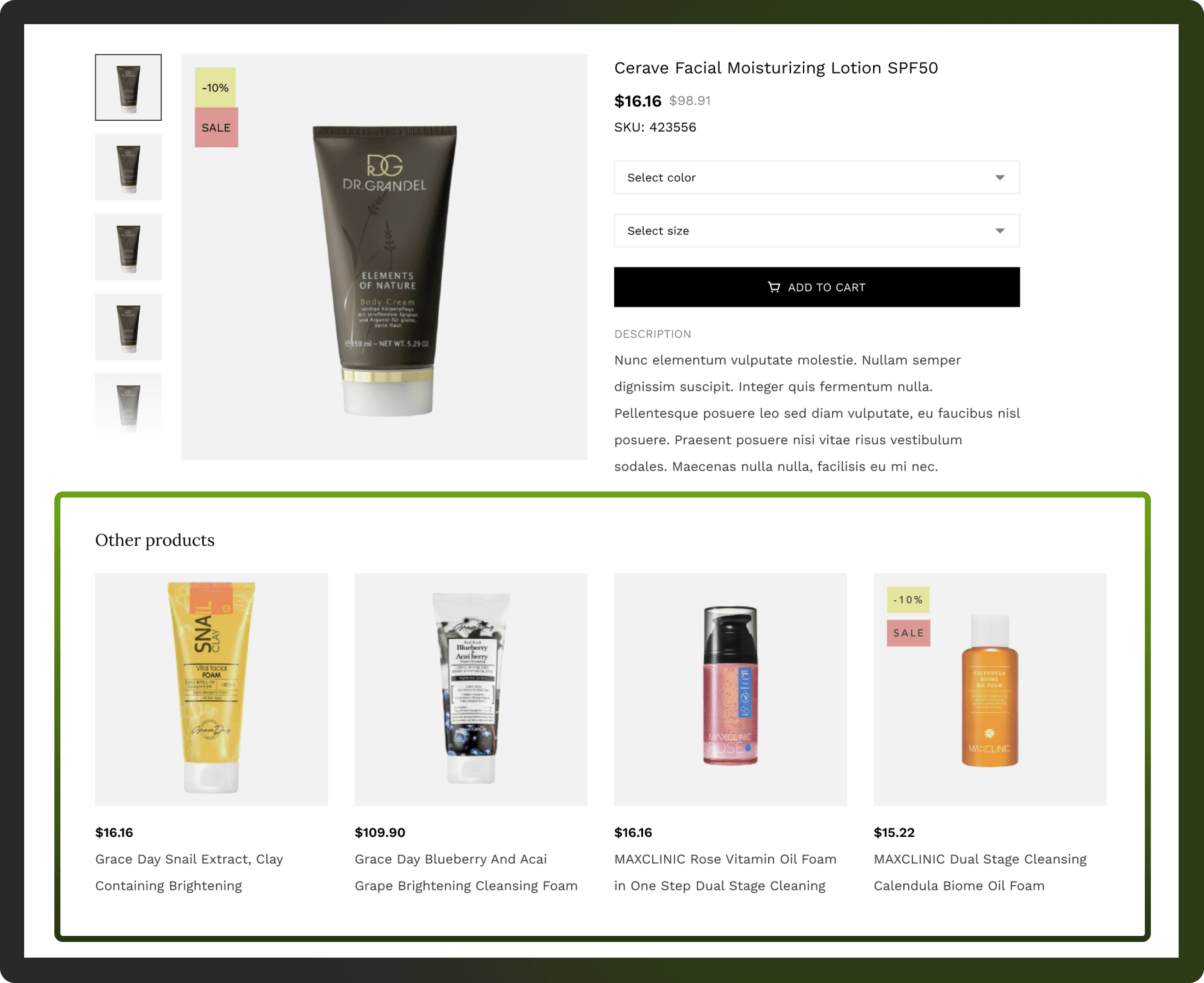
This approach worked when online shopping was purely transactional.
Think about what happens in a clothing store. A shopper picks up a pair of jeans and instantly sees matching items around them—a belt, a top, and accessories that finish the look. The store layout makes it easy to discover new pieces, while sales associates suggest outfits based on style, occasion, or taste. The outcome is simple: customers spend more and leave happier, with full outfits instead of single items.
This kind of discovery often fails in online stores. Product pages show single items alone, which makes shoppers click around to find matches if they even want to try.
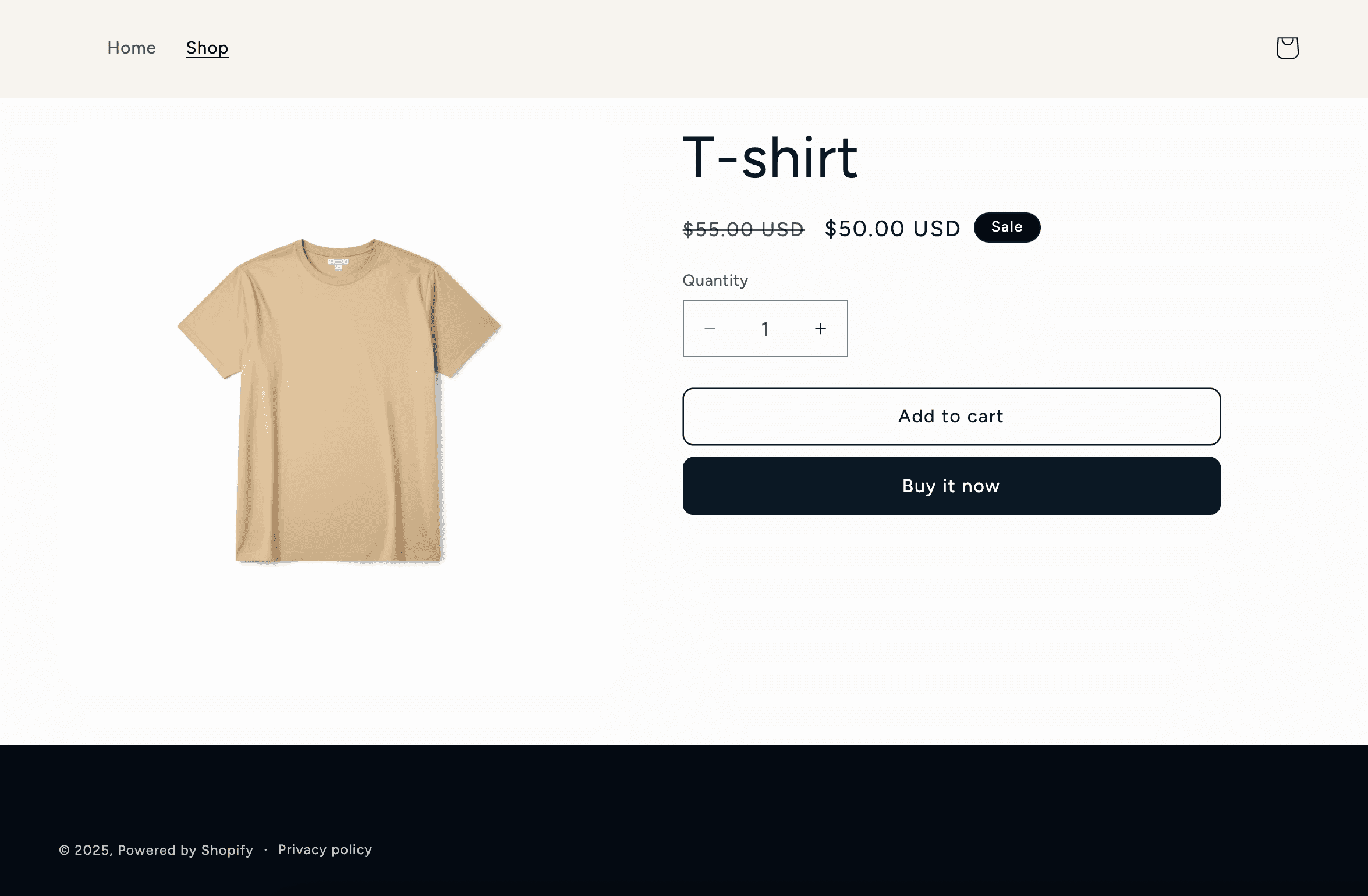
Another issue is outdated UX patterns. Most brands rely on basic 'You might also like' carousels, which act more as navigation tools than true conversion drivers, or static 'Shop the look' blocks that don't allow customers to mix and match products. These formats don't recreate real discovery, they just push users away from checkout.
The data shows the cost of disconnected product pages. McKinsey's State of Fashion 2023 report says fashion brands spend $21 to $46 for every returned item, including shipping and processing. Online return rates hit 20.8%, almost double last year's 10.6%. Many returns happen because customers buy single items that don't match their wardrobe, instead of full outfits or bundles they can feel confident about.
DTC brands with small product selections already face a challenge: it is harder for customers to make repeat purchases. McKinsey calls it a "structural challenge." Static product pages make this worse. They don't guide shoppers to combine items or buy bundles, so brands miss chances to increase sales and make the most of their inventory.
What Fashion & Lifestyle Brands Are Now Doing Differently on their PDP
The most successful DTC fashion brands aren't just listing products—they're creating experiences that combine online convenience with the engagement of physical stores.
Brands like Reformation, Gymshark, and Asket are leading the way by turning their product pages into interactive discovery spaces.
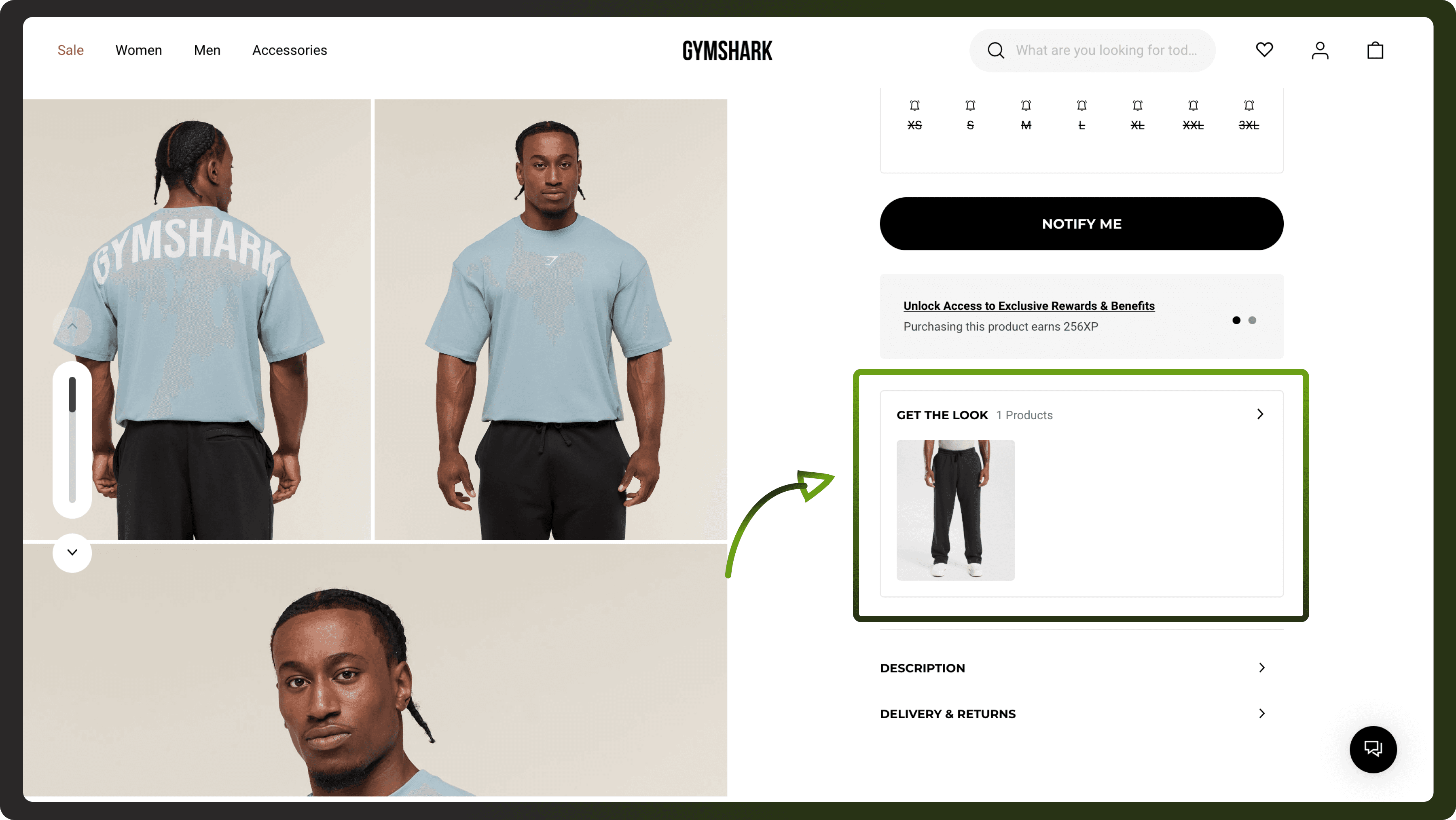
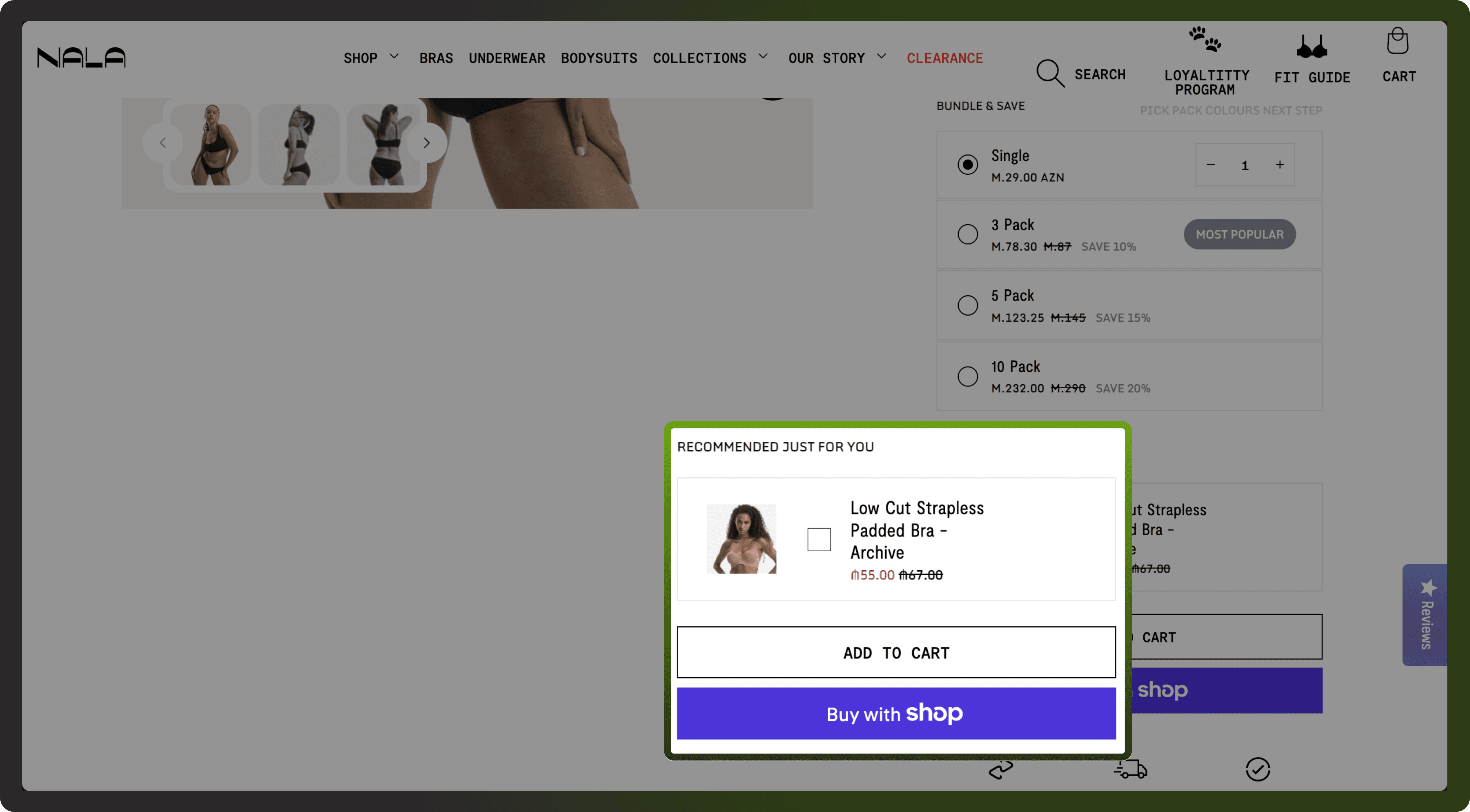
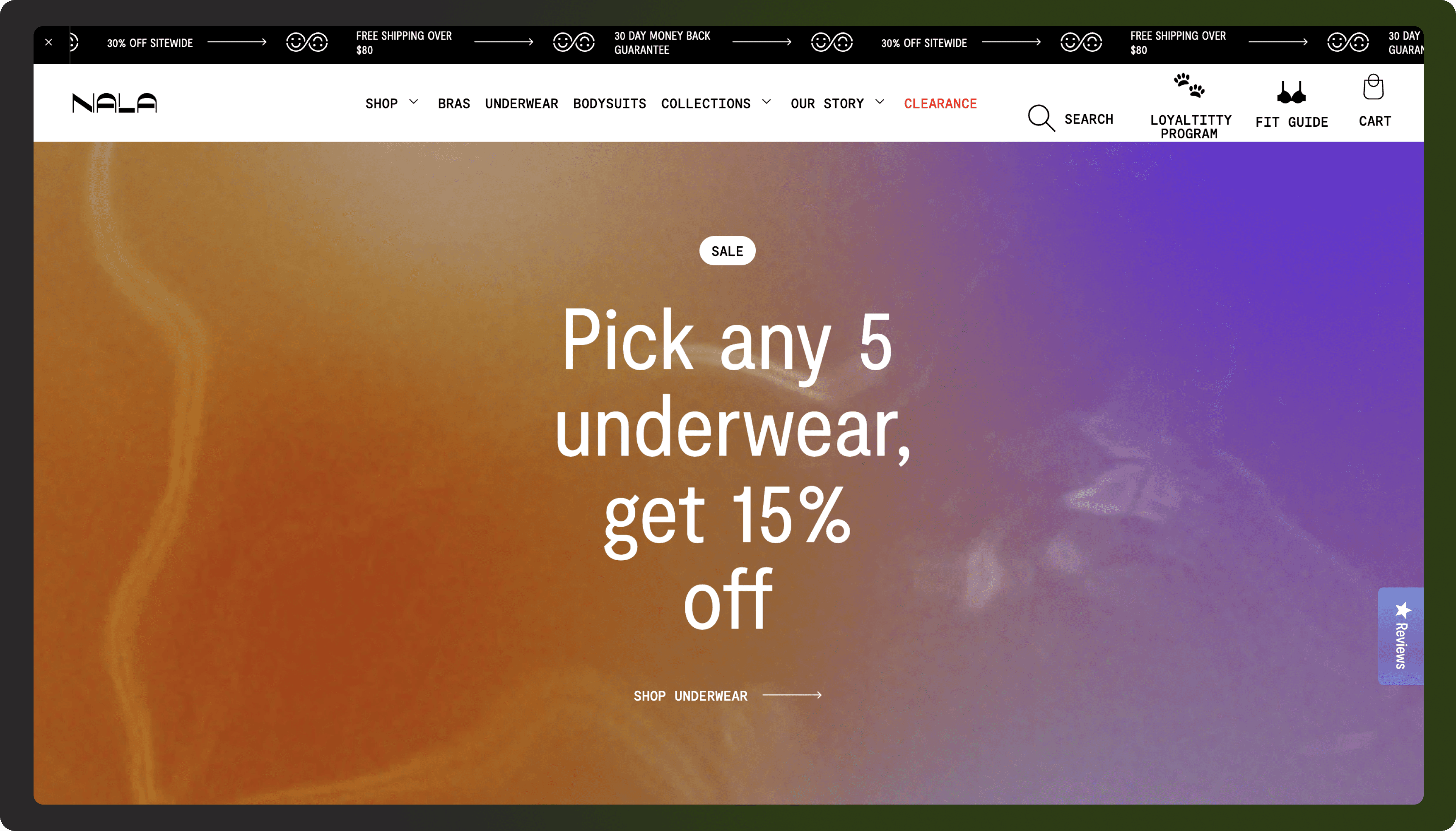
When Nala introduced this approach with their interactive bundle builder for underwear, 10% of their sales started coming from bundles—letting customers mix and match designs and sizes just like they would in a physical store.
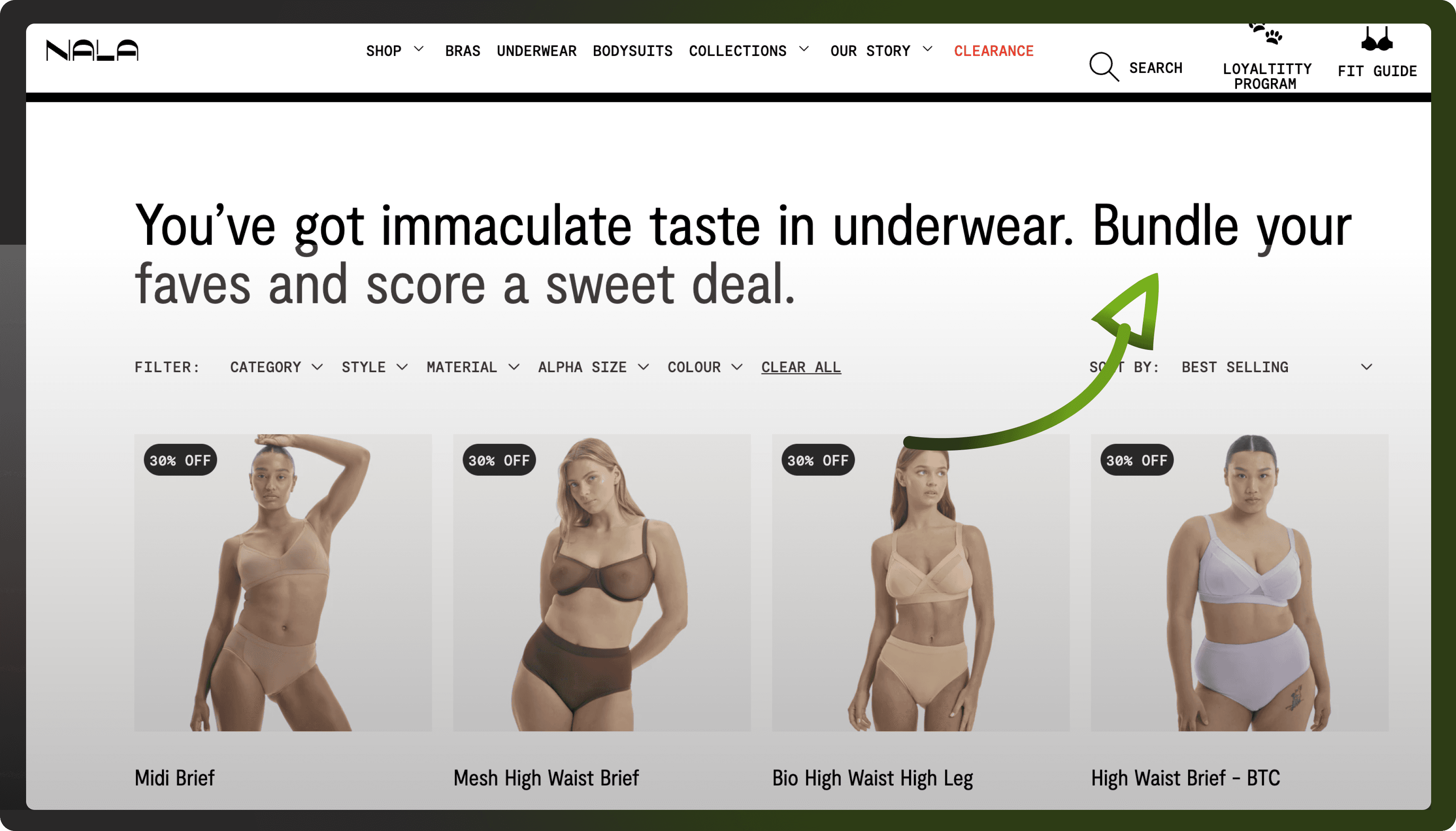
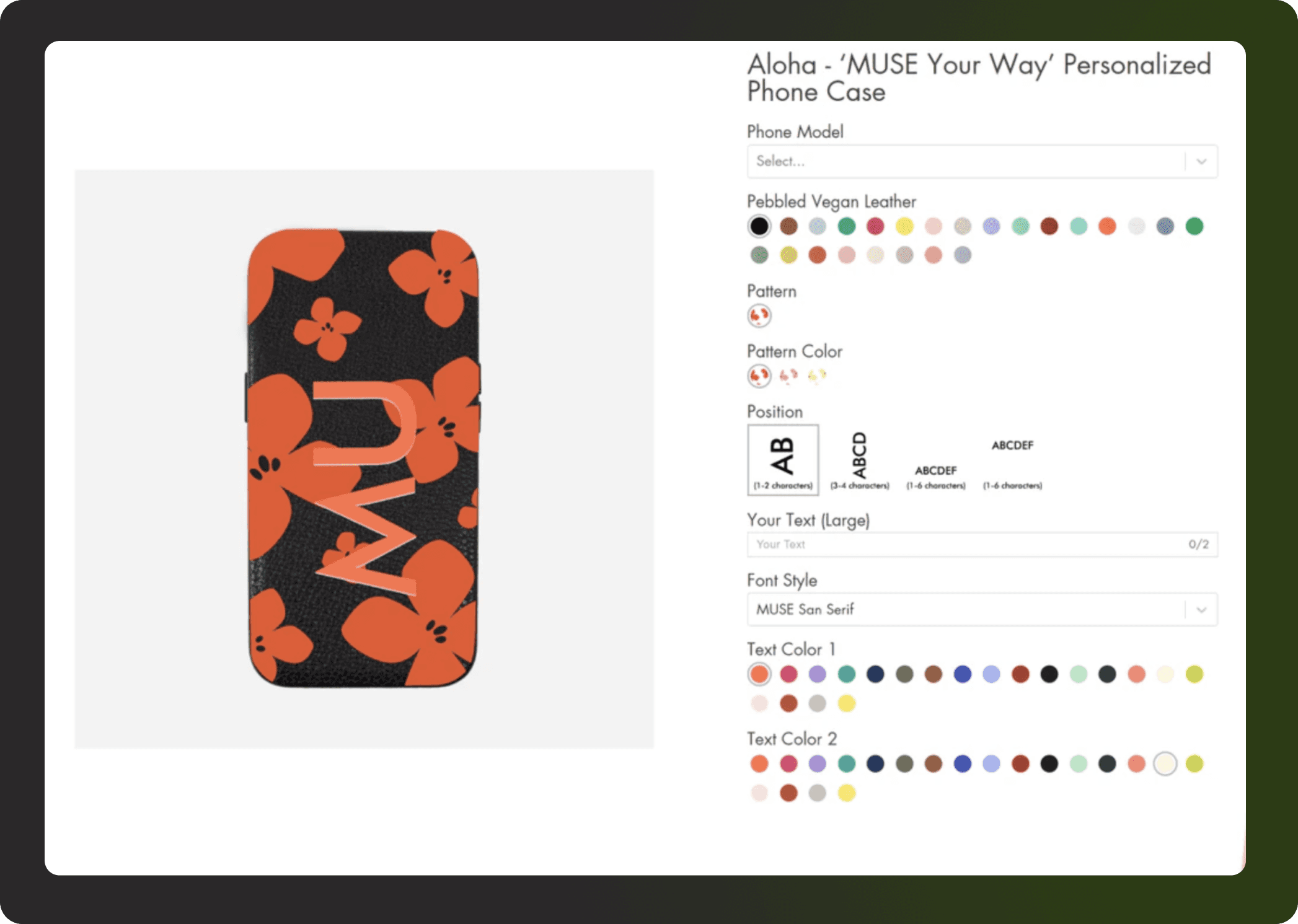
Personalization and customization
Personalization goes beyond size and color. Top brands use first-party data to give each shopper a tailored experience. Instead of generic "customers also bought" suggestions, they offer styling advice that fits individual tastes, lifestyles, and purchase history. This is where interactive bundle experiences outperform static recommendations—delivering personalization without relying on massive AI budgets.
Experiential retail concepts
Smart brands bring the feel of in-store shopping online. While some still use pop-ups and showrooms, the leaders make their websites interactive. Tools like product builders, virtual styling sessions, and bundle configurators let customers explore and try different combinations easily.
Community-driven discovery
Shoppers now help guide product discovery. Brands use user-generated content, customer styling examples, and community feedback to highlight natural product pairings and bundle options, instead of relying only on internal buying teams.
Omnichannel integration
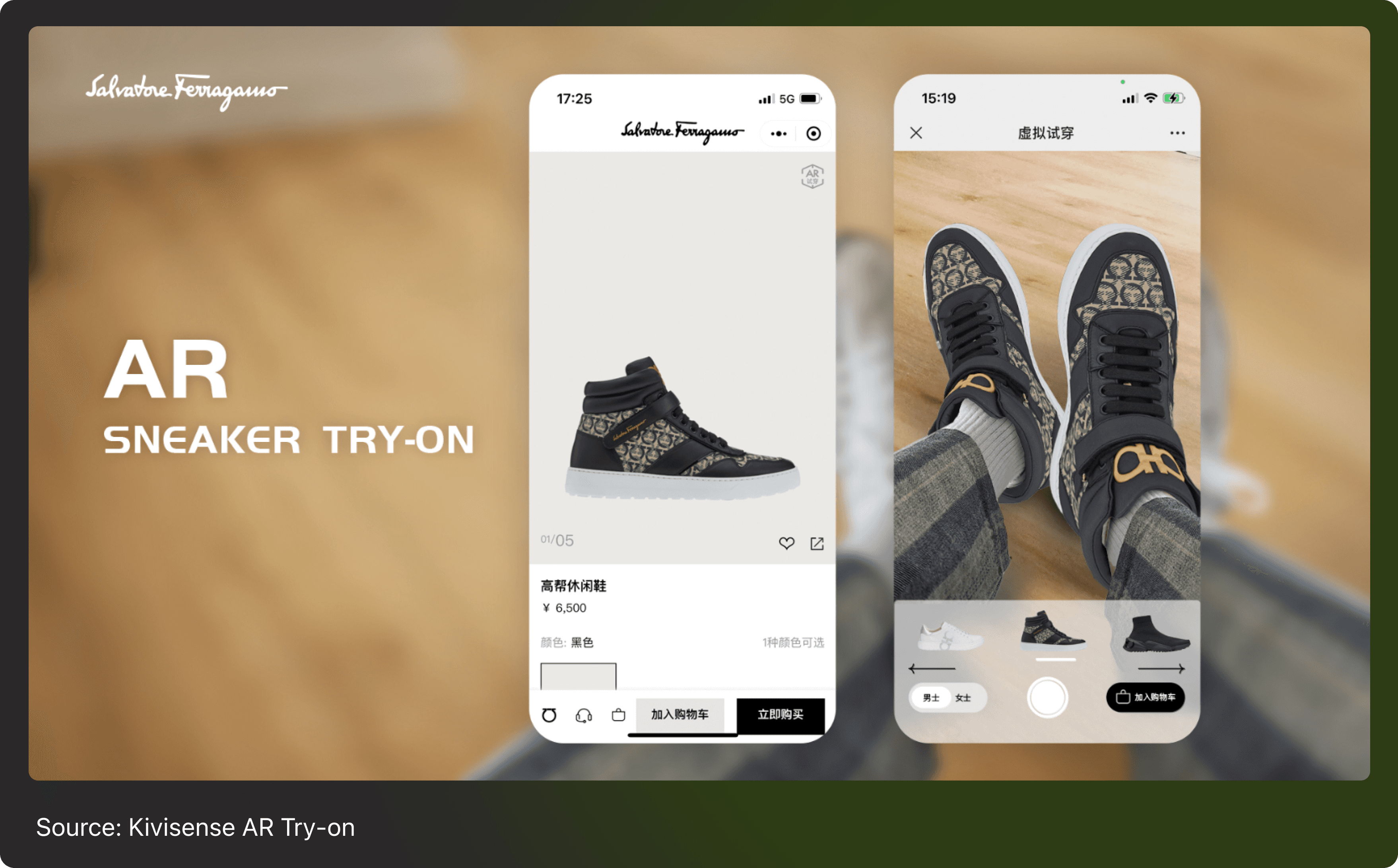
Leading brands connect online and offline experiences. Features like virtual try-ons, AR previews, and interactive bundle builders let customers shop digitally in ways that feel like a real store experience.
Product-centric to lifestyle-centric positioning
The best DTC brands focus on lifestyles, not just products. They sell complete looks and solutions, helping customers create a personal style. This approach encourages higher-value purchases and multi-item orders.
Recreating the Product Detail Pages: From Static to Playful Product Pages
DTC fashion brands now create experiences that let shoppers explore and discover products, just like they do in a store instead of showing each item by itself.
Turning product pages into playful discovery spaces isn't about adding more widgets, it's about behavior design. When shoppers can build their own look, they buy more, return less, and stay longer on site.
There are a few bundle formats that transform the shopping experience: from Mix & Match systems to smart upsells. Each of them is explained in detail in our Interactive Bundling Playbook.
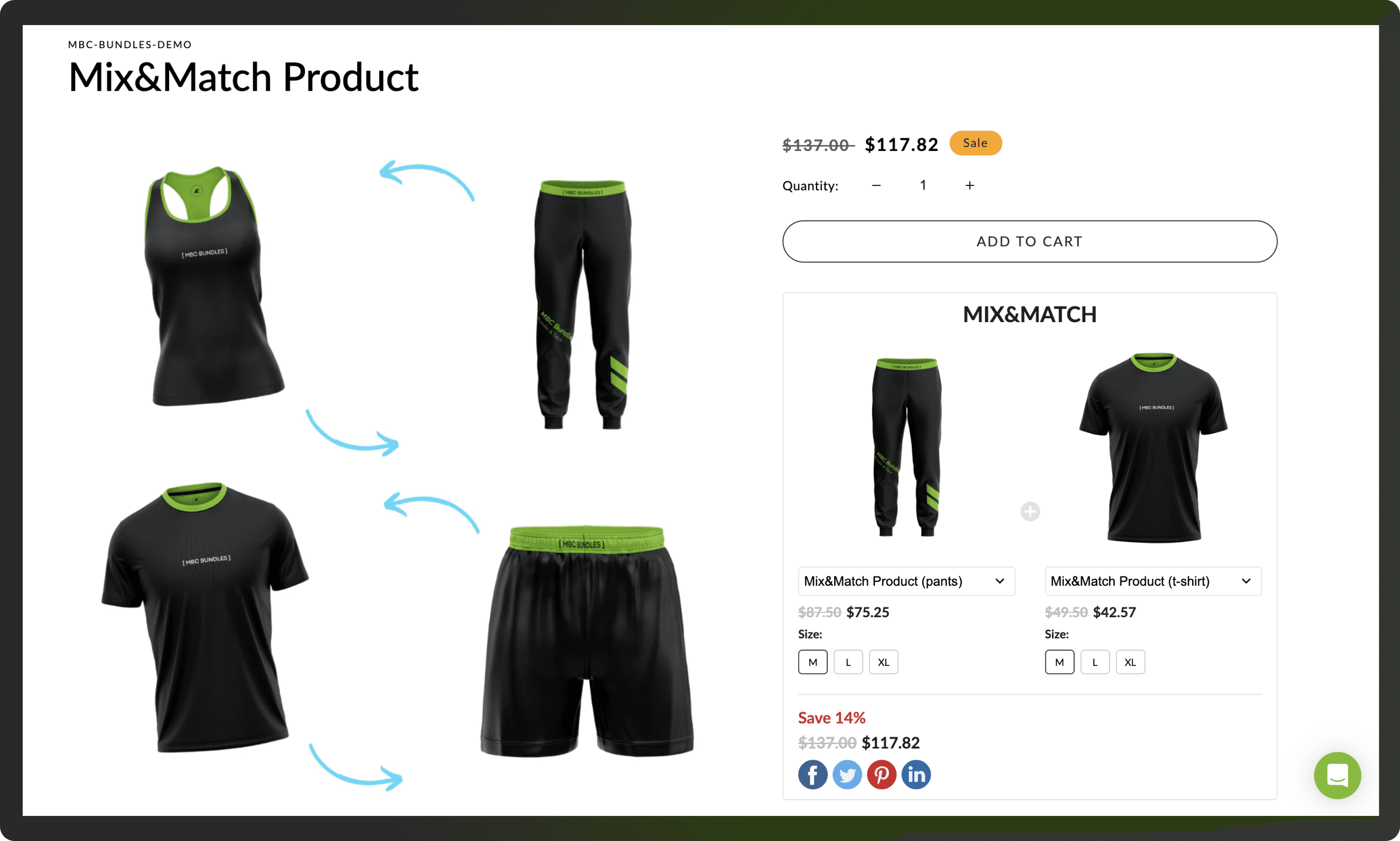
Ecommerce Problem to Solve
Static product pages are one of the biggest missed opportunities in fashion ecommerce today. Brands spend a lot on attracting customers, improving conversions, and keeping shoppers coming back, but many ignore a simple problem: the online shopping experience often falls short, costing them thousands of dollars in lost sales every month.
Though the cost is high, the issue isn't just money. It's about giving customers an experience similar to shopping in a store, where discovery, personalization, and engagement happen naturally. With rising customer acquisition costs and growing competition, brands that fix this experience gap gain a real advantage.
The solution is simple but requires a new way of thinking. Instead of treating product pages like static catalogs, successful brands are turning them into interactive discovery spaces. Customers can explore, try different combinations, and put together complete outfits or solutions that fit their needs.
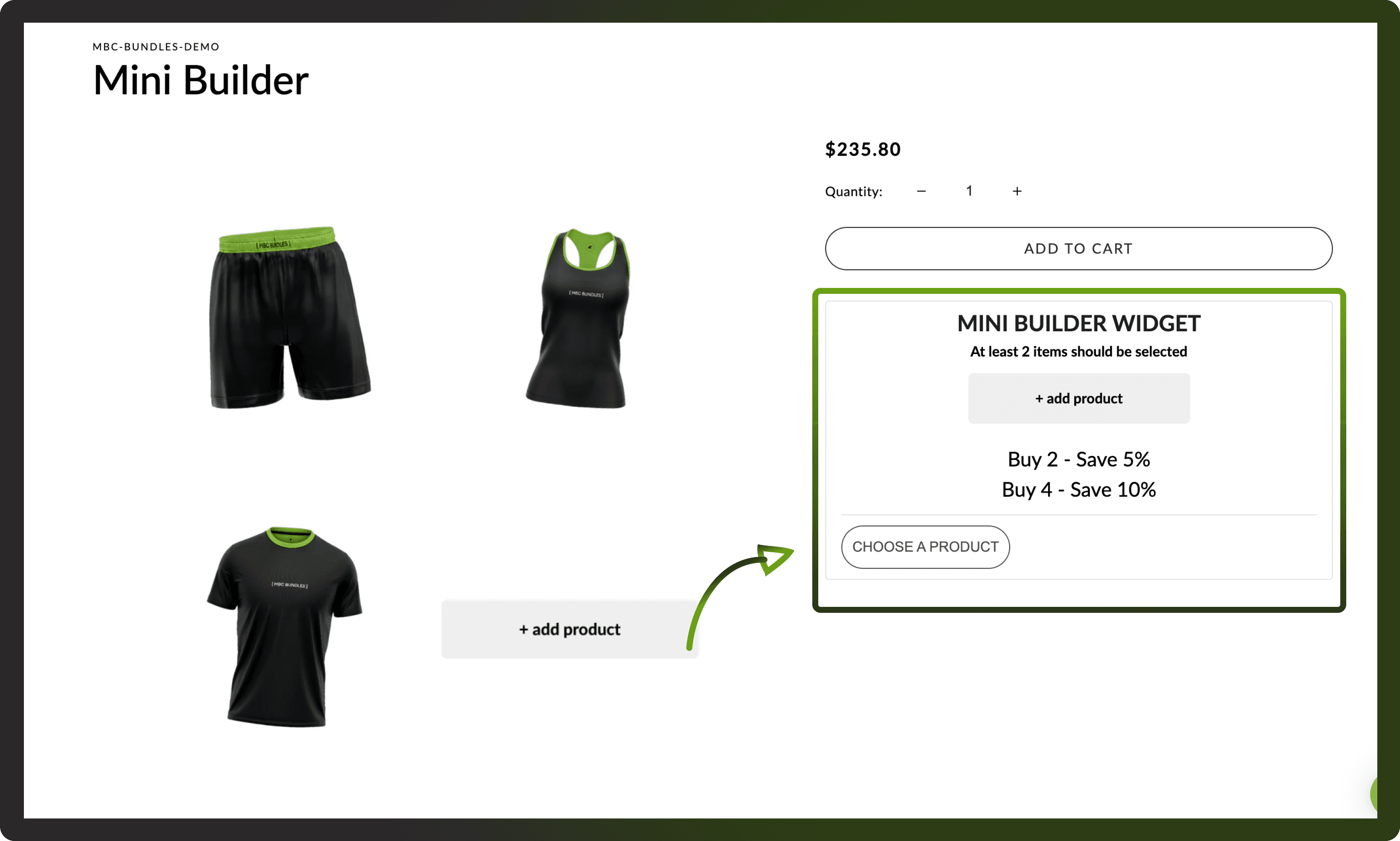
Interactive bundling is the bridge between the convenience of online shopping and the engagement of physical stores. Bundle builders make discovering products fun and easy. We've seen brands increase AOV by 20–30% in the first month. They help brands increase sales, improve customer satisfaction, and create experiences that build loyalty over time.
Brands that act now will thrive as the fashion e-Commerce market grows toward $1 trillion. Those that stick to static, isolated product pages risk being left behind.
Lessons from Interactive Bundling
Nala's success highlights important lessons for fashion brands that want to boost sales and engage customers:
-
Identify offline experiences missing online: Look for moments customers enjoy in stores but can't find on regular ecommerce sites. These are often the easiest opportunities to improve online shopping.
-
Make bundling interactive, not transactional: Just giving multi-item discounts isn't enough. The process of building a bundle should be fun, engaging, and help customers discover new combinations.
-
Offer multiple paths to higher AOV: Shoppers have different styles. Some like full control with custom builders, while others prefer ready-made sets for convenience.
-
Focus on perceived value over discounts: Discounts help, but the real benefit is helping customers find combinations they might not have thought of themselves. Read the full Nala case study for details and setup insights.


